Skin Peptides: GHK-Cu vs MT2
Three compounds get grouped as “skin peptides” and they have almost nothing in common.
GHK-Cu: structure
GHK-Cu is a copper-binding tripeptide associated with collagen and elastin synthesis, wound repair and hair follicles.
It is the one with a genuine structural mechanism. It is studied for what skin is made of rather than what colour it is. It appears in topical skincare as well as injectable form.
Melanotan 2: colour
MT2 stimulates melanin production. It does nothing for collagen, texture or repair.
It also carries the mole warning, which is the one genuinely serious consideration in this group: darkening existing pigmented lesions makes the changes that actually matter harder to spot.
The Glow pen: a blend
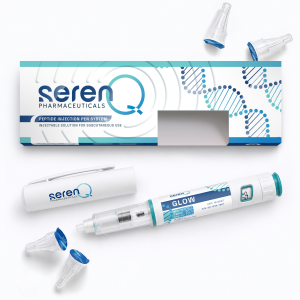
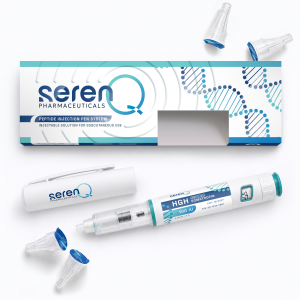
The SerenQ Glow pen combines repair peptides with GHK-Cu, on the logic that tissue quality and repair overlap. Fixed ratio, which is the standard blend trade-off. See blend pens explained.
What none of them do
None reverse sun damage, none replace sunscreen, and none work quickly. Skin turnover is measured in weeks, so anything claiming visible change in days is describing hydration rather than structure.
Injectable versus topical
GHK-Cu works topically, which is unusual for a peptide. It is small enough to penetrate. Whether injection outperforms topical application for skin specifically is not settled, and topical avoids systemic exposure entirely.
For hair, the evidence is thinner than the marketing suggests. Anyone with genuine pattern hair loss should read finasteride and hair loss for what actually has evidence behind it.
Choosing
GHK-Cu for skin quality and collagen. MT2 for pigmentation, with the mole caveat understood. They are not alternatives to each other.
Supplied for research purposes only.
Products covered in this guide
 SerenQ
Related guides
Ready to get started?
Browse our range of pharmaceutical-grade peptides, all third-party tested and verified.
Shop All Products →

💬 Discussion