
What “Research Use Only” Actually Means
“Research use only” is a legal classification, not a quality statement. It says something specific about how a product may be sold and what claims may be made about it, and understanding that is genuinely useful rather than pedantic.
What the label actually means
It means the product is supplied for laboratory and research purposes, and is not sold as a medicine. It is not approved for human use, not licensed for treating anything, and no medical claim is being made about it.
That is a statement about regulatory status. It is not a statement about purity, and it is not a hint that the product is something other than what it says on the carton.
Why the distinction exists
Selling a substance as a medicine brings an entire regulatory apparatus with it: approval for a specific indication, licensed manufacturing, prescribing controls, and permission to make claims about treating a condition.
A compound that has not been through that process for a given market cannot be sold as a medicine there, regardless of how well characterised it is. Research classification is the category that exists for everything outside those approvals.
What it does not mean
It does not mean untested. Many of these compounds have substantial published research behind them: some are approved medicines elsewhere, under other names.
It does not mean impure. Purity is a manufacturing question, answered by testing and traceability, not by the regulatory label. That is exactly why serialisation and a manufacturer-side authenticity check matter. See verifying a SerenQ pen.
It does not mean interchangeable. Two products with the same classification can be very different in how they were made and handled.
What actually tells you about quality
Since the label does not, these do:
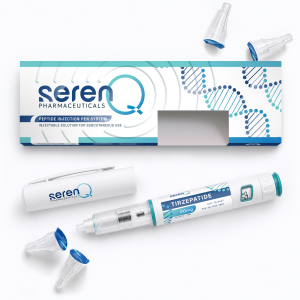
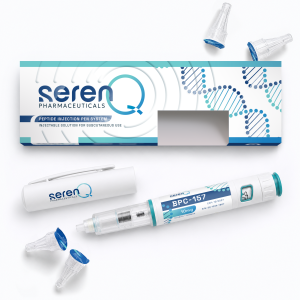
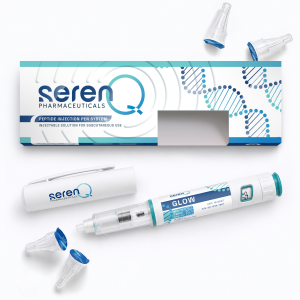
Identifiable units. A serial number and an authenticity code that resolves to the manufacturer, not the seller.
Sealed, professional packaging with legible batch information and storage guidance.
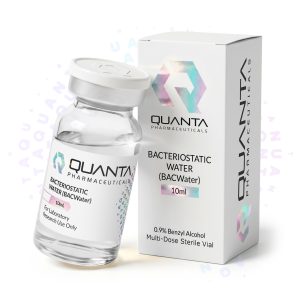
Format. A sealed pre-filled cartridge removes the reconstitution step and everything that can go wrong in it, peptide pens vs vials covers why that matters.
Handling in transit, since a genuine product handled badly is still a degraded one: cold chain and warm delivery.
Why we write the guides the way we do
You will notice the journal deals in comparisons, formats and handling rather than dosing protocols. That is deliberate, and the classification above is part of the reason: we are not in a position to tell anyone how to use these compounds, and pretending otherwise would be both wrong and unhelpful.
What we can do usefully is explain what a compound is, how it differs from the one next to it, and how to handle the thing once it is in your hand without ruining it.
The short version
Research classification tells you about the legal route a product is sold through. Judge the product itself on traceability, packaging, format and handling, and treat anything that leans on the label as a quality claim with suspicion.
All products are supplied for research purposes only.
Products covered in this guide
 SerenQ
Related guides
Ready to get started?
Browse our range of pharmaceutical-grade peptides, all third-party tested and verified.
Shop All Products →

💬 Discussion