
Fat Loss Compounds: Three Routes, One That Works
Fat loss compounds work through three distinct routes, and only one of them reliably produces large results.
Route one: eat less
The GLP-1 agonists reduce appetite substantially by slowing gastric emptying and acting on satiety signalling. This is the only category producing large, well-documented weight loss in humans.
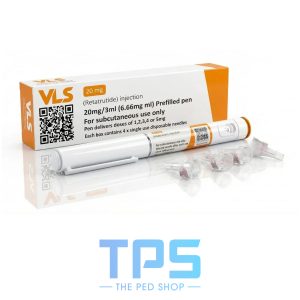
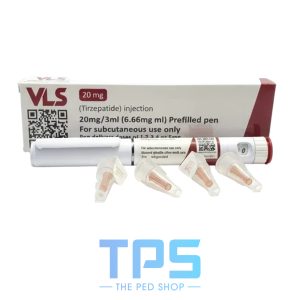
Semaglutide, tirzepatide and retatrutide differ by receptor count, and each addition increases both effect and side effects. See GLP-1 side effects explained.
Route two: burn more
Clenbuterol raises metabolic rate modestly through beta-2 stimulation, with the tremor and cardiac considerations that come with it.
T3 raises it substantially and takes muscle as well as fat, while suppressing an axis that does not always recover.
Effect sizes here are smaller than route one, and the costs are higher.
Route three: change how fat is handled
The most mechanistically interesting and least dramatic group. Yohimbine blocks the alpha-2 brake on stubborn deposits. AOD-9604 isolates GH’s fat metabolism fragment. Cardarine shifts fuel preference. 5-Amino-1MQ targets NNMT.
All of these require an existing deficit to do anything. They change how fat is mobilised; they do not decide energy balance.
What the dry compounds do not do
Masteron, winstrol and anavar are called cutting compounds and burn no fat whatsoever. They change how the result of a diet looks. See bulking vs cutting compounds.
The honest ranking
If the goal is losing a significant amount of fat, the GLP-1 route is not close to the others on evidence. Everything else is a refinement on top of a deficit that has to exist first.
Supplied for research purposes only.
Products covered in this guide
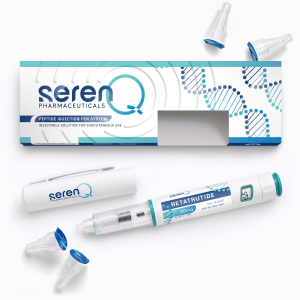
 SerenQ
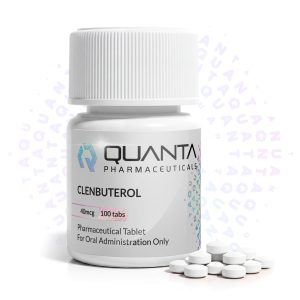
 Quanta Pharma
Related guides
Ready to get started?
Browse our range of pharmaceutical-grade peptides, all third-party tested and verified.
Shop All Products →

💬 Discussion