
NAD+ and MOTS-c: The Cellular Energy Peptides
NAD+ and MOTS-c both target cellular energy, from opposite ends. One supplies a coenzyme your cells run on; the other is a peptide encoded by mitochondrial DNA. They get discussed together because the goal overlaps, not because they work alike.
NAD+, the coenzyme
Nicotinamide adenine dinucleotide is central to energy metabolism and to the enzymes involved in DNA repair and cellular ageing. Levels decline with age, and that decline is the basis of most of the interest.
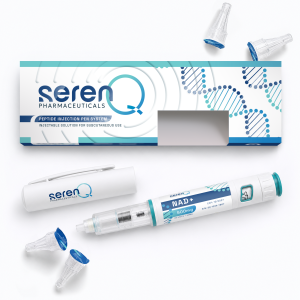
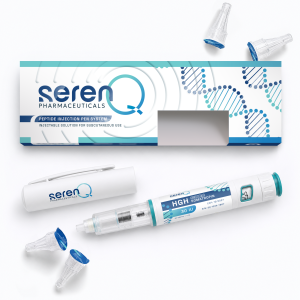
Supplementing it directly is the blunt approach: rather than prompting your cells to make more, you supply more. Available as SerenQ NAD+ 500mg in a 300 unit pen.
Worth knowing: NAD+ is notorious for injection-site discomfort and for a flushing sensation if administered quickly. Slower administration is the usual answer, and it is the single most common complaint about it.
MOTS-c, the mitochondrial peptide
MOTS-c is a peptide encoded in mitochondrial rather than nuclear DNA. Research associates it with metabolic regulation, insulin sensitivity and exercise capacity, it appears to act as a signalling molecule between mitochondria and the rest of the cell.
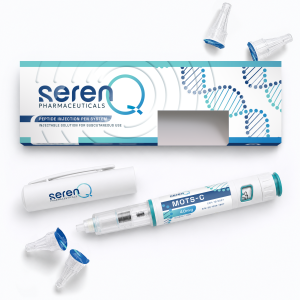
Where NAD+ supplies a substrate, MOTS-c signals. That is the cleanest way to hold the difference. Available as SerenQ MOTS-c 40mg, also a 300 unit pen.
Why people run them together
The argument is complementary mechanism: one raises the availability of the coenzyme, the other influences how mitochondria behave. There is no strong human evidence that the combination outperforms either alone: the rationale is mechanistic rather than demonstrated, and worth holding loosely.
Practical notes
Both are supplied in solution in pre-filled pens, so there is no reconstitution step, but both remain temperature sensitive. Note the per-unit doses differ despite both being 300 unit pens, 500mg across 300 units is not the same as 40mg across 300 units. See how to read a peptide pen dial before carrying a unit count across from one to the other.
Both sit in the cognitive, mood and energy range.
Supplied for research purposes only. This article is informational and is not medical advice.
Products covered in this guide
 SerenQ
Related guides
Ready to get started?
Browse our range of pharmaceutical-grade peptides, all third-party tested and verified.
Shop All Products →

💬 Discussion