
Pen Tips: Sizes, Fitting and Safe Disposal
Pen tips are the cheapest part of the system and the one most often treated carelessly. A blunt or reused needle changes how an injection feels, how reliably it delivers, and how clean the whole process is.
What the numbers on the box mean
Two figures describe every tip, and they measure different things.
Gauge is thickness, and it runs backwards, a higher gauge number is a thinner needle. A 32G tip is finer than a 29G.
Length is stated in millimetres, typically 4mm to 8mm for pen tips.
Thinner and shorter is generally more comfortable. The trade-off with very fine needles is that thicker solutions pass through them more slowly, so the injection takes a moment longer.
Fitting one properly
Wipe the cartridge septum with an alcohol swab and let it dry. Take a fresh tip, line it up straight, and screw it on until seated, firm, not forced.
Cross-threading is the single most common cause of a pen leaking at the collar, and it happens when the tip goes on at an angle. If it does not turn smoothly, back it off and start again rather than forcing it.
Then prime, every time, before dialling your actual amount, priming a peptide pen covers why that step is not optional.
Why a tip is genuinely single use
A needle blunts on first use. Not metaphorically: the tip deforms, and the second injection is measurably worse than the first.
Beyond comfort, a used tip retains residue that can dry inside the lumen and block it. And a tip left attached between uses leaves an open channel into the cartridge, which invites both contamination and slow leakage as temperature changes push solution out.
SerenQ pens ship with tips in the carton, so there is no reason to ration them.
Take it off after every injection
The habit is simple: inject, remove the tip, cap the pen, store it. Leaving the needle on is the most common handling error and it causes several problems at once.
It also makes the pen unsafe to put in a drawer or a bag, which matters more than people expect.
Disposal
Used tips go into a proper sharps container, not a bin, not a bottle, not wrapped in tissue. Sharps bins are inexpensive and widely available, and most areas have a defined route for returning a full one.
If you travel with pens, take a small travel sharps container with you rather than improvising at the other end. Travelling with peptide pens covers the rest of that.
When a tip is the actual problem
If nothing comes out after priming, suspect the tip before the pen. A blocked or badly seated tip accounts for most “the pen is broken” reports, replace it with a fresh one and prime again before concluding anything about the cartridge.
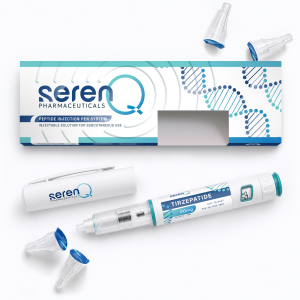
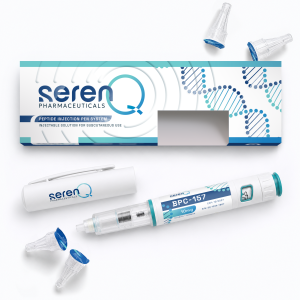
Peptide pen troubleshooting works through the rest of the causes in order. Every pen in the range takes the same tips, from the Tirzepatide pen to the BPC-157 pen.
Supplied for research purposes only.
Products covered in this guide
 SerenQ
Related guides
Ready to get started?
Browse our range of pharmaceutical-grade peptides, all third-party tested and verified.
Shop All Products →

💬 Discussion