
Peptide Pen Troubleshooting: Bubbles, Stuck Dials and Leaks
Most pen problems are mechanical, not defects. A pen that will not dial, will not deliver or leaks at the collar almost always has one of a short list of causes, and nearly all of them are fixable without losing the cartridge.
Nothing comes out
The overwhelming cause is a tip that was never primed. A fresh needle is full of air, and dialling pushes that air out before any solution appears. See priming a peptide pen.
If priming does not produce a droplet after a few attempts, work through it in order:
Blocked tip. Dried residue inside the needle, usually from a tip left on after a previous use. Replace it. Do not attempt to clear it with anything.
Tip not seated. Cross-threaded or only part-attached, so the needle never pierces the septum properly. Remove, inspect the thread, attach a fresh one straight.
Cartridge empty. The last fraction of solution cannot be dialled as a full dose. If the dial will not reach your number, the pen is finished rather than faulty.
The dial will not turn
A dial that stops short is usually telling you something true: there is not enough solution left to deliver the amount you asked for. Most pens will not let you dial past what remains.
Dial to a smaller amount. If it moves, the cartridge is simply near its end. If the dial is stiff or immovable at any setting, do not force it, forcing a dial mechanism is how a pen goes from nearly finished to unusable.
Leaking at the collar
Liquid appearing where the tip meets the pen means the seal is not made. Usually the tip is cross-threaded or under-tightened. Remove it, check the threads on both parts, attach a fresh tip carefully.
If a properly seated new tip still leaks, stop using the pen for anything you intend to rely on, a compromised seal means the delivered amount is unknown and the cartridge is no longer closed to the outside.
Air bubbles in the cartridge
Small bubbles are normal and mostly harmless. They matter when a large one sits at the needle end, because it displaces solution and shortens the delivery.
Point the pen upward and tap the cartridge gently so the bubble rises to the top, then prime until a droplet appears. Do not shake the pen: peptides in solution do not tolerate agitation well, and vigorous shaking is a genuine way to degrade the contents.
The solution looks wrong
This is the one problem that is not mechanical, and the only one where the answer is to stop.
Clear solution is expected. Cloudiness, floating particles, visible sediment or a colour change are all reasons to discontinue that cartridge. The usual cause is a temperature excursion or age in solution rather than anything you did wrong, storing peptides properly covers what degrades a pen and how quickly.
Frozen and thawed is a specific case worth naming: freezing can damage the peptide irreversibly even though the solution may look normal again afterwards.
The dose felt different
Before assuming a bad pen, check the arithmetic. Moving between pen sizes or between a single compound and a blend changes what a unit delivers, even when the dial number is identical. This accounts for more perceived potency changes than actual product variation does.
How to read a peptide pen dial and HGH pen sizes both cover the conversion.
When it is genuinely the pen
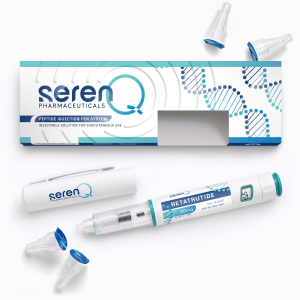
A cracked cartridge, a dial that will not move at any setting, a plunger visibly out of alignment, or solution that arrived already cloudy are product problems rather than user ones. Every SerenQ pen carries a serial and QR code, so a specific unit can be identified rather than described. See verifying a SerenQ pen.
Supplied for research purposes only.
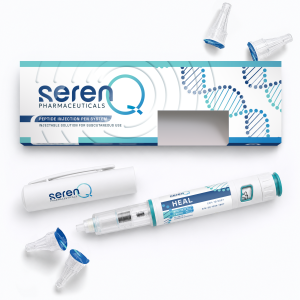
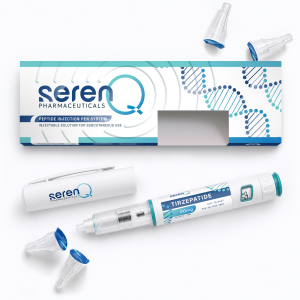
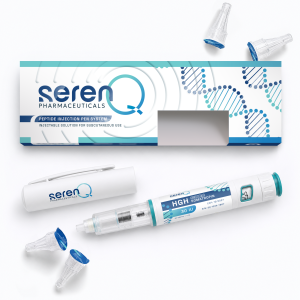
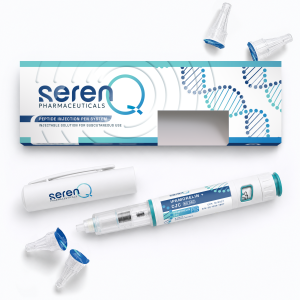
Products covered in this guide
 SerenQ
Related guides
Ready to get started?
Browse our range of pharmaceutical-grade peptides, all third-party tested and verified.
Shop All Products →

💬 Discussion