
KPV: The Anti-Inflammatory Fragment
KPV is an anti-inflammatory peptide, and that single description covers most of what people want from it. It is a fragment of a hormone you already produce.
What it is
KPV is the final three amino acids of alpha-MSH, lysine, proline, valine. Alpha-MSH is the hormone behind pigmentation, but this fragment carries the anti-inflammatory activity without the melanocortin receptor effects.
So KPV does not tan you, does not affect libido, and does not produce the nausea associated with MT2. Isolating the fragment isolated the effect.
Where the interest sits
Gut inflammation. The best-studied area, with research focused on inflammatory bowel conditions. This is where KPV has the most substantial evidence behind it.
Skin. Used topically as well as by injection, with interest in inflammatory skin conditions and wound healing.
General inflammation. The mechanism is intracellular, which is unusual. KPV appears to act inside the cell on inflammatory signalling rather than at a surface receptor.
How it differs from the repair peptides
KPV reduces inflammation. BPC-157 and TB500 are associated with tissue repair and cell migration.
Those are related but distinct jobs, which is why KPV gets used alongside them rather than instead of them, particularly where gut involvement is part of the picture.
The evidence caveat
As with most peptides in this category, the research is largely preclinical. The gut work is more developed than most, but human trials remain limited, and anyone claiming settled human efficacy is overstating it.
Handling
KPV is supplied as a vial requiring reconstitution rather than a pre-filled pen, so the volume you choose sets every later calculation. See bacteriostatic vs sterile water and storing peptides properly.
Supplied for research purposes only.
Products covered in this guide
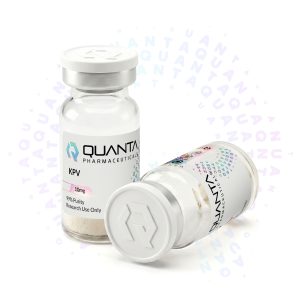
 Quanta Pharma
Related guides
Ready to get started?
Browse our range of pharmaceutical-grade peptides, all third-party tested and verified.
Shop All Products →

💬 Discussion