
TB500: A Fragment, Not Thymosin Beta-4
TB500 is not thymosin beta-4, and the distinction matters more than the marketing suggests. It is a synthetic fragment of it, the active region, isolated.
What it actually is
Thymosin beta-4 is a naturally occurring protein involved in cell migration and tissue repair. TB500 reproduces the short active sequence rather than the whole protein, which makes it cheaper to produce and more stable.
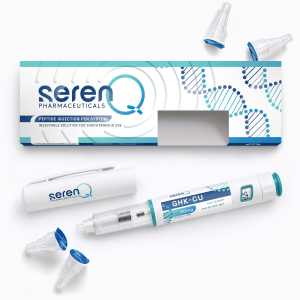
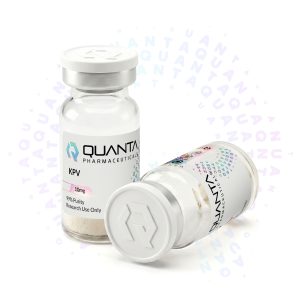
It is stocked as a SerenQ pen and as a vial.
The proposed mechanism
TB500’s association is with actin regulation. Actin is central to how cells move, and cell migration is how repair happens, the cells that rebuild tissue have to get there first.
Angiogenesis is the second reported effect: new blood vessel formation into an area, which brings the supply that repair depends on.
That is a genuinely different route from BPC-157, and it is the reason the two are paired rather than treated as alternatives.
The systemic claim
TB500 is frequently described as acting systemically rather than locally, the idea being that it travels and acts wherever repair is needed, rather than only at an injection site.
Treat that as a proposition rather than a settled fact. It is the usual justification for not injecting near the injury, and it is plausible given a mechanism based on cell migration, but it is not something to state with confidence.
What the evidence base looks like
The same caveat that applies to BPC-157 applies here, and arguably harder: animal and in-vitro work, very little human data.
Thymosin beta-4 itself has been studied more formally in clinical contexts than the TB500 fragment has, and results for a full protein do not automatically transfer to a fragment of it.
Why it is paired with BPC-157
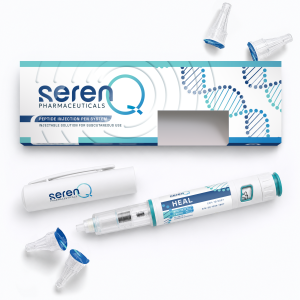
Different mechanisms, overlapping goal. Running both covers more of the repair process than either alone, which is why pre-blended pens like Heal exist.
The trade-off with a blend is a fixed ratio you cannot adjust. See blend pens explained and why they are run together.
Handling
A pen removes the reconstitution step and the in-solution clock until first use. A vial does not. See peptide pens vs vials and reconstitution and bacteriostatic water.
Either way, storage is the thing that decides whether you get what you paid for: storing peptides properly.
Supplied for research purposes only.
Products covered in this guide
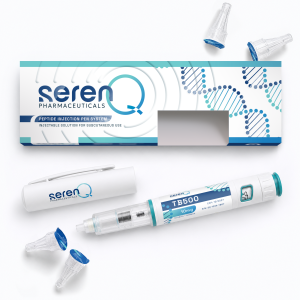
 SerenQ
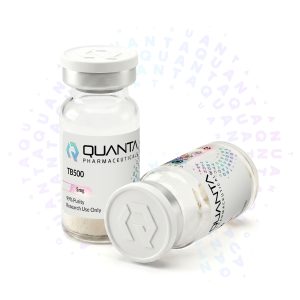
 Quanta Pharma
Related guides
Ready to get started?
Browse our range of pharmaceutical-grade peptides, all third-party tested and verified.
Shop All Products →

💬 Discussion