
Bulking vs Cutting Compounds: It Is About Water
Compounds get sorted into “bulking” and “cutting” categories, and the division is less about the compound than about what it does to water.
What actually separates them
The dividing line is aromatisation. Compounds that convert to oestrogen bring fluid retention, which looks like fast progress on a bulk and ruins the look on a cut.
The compound is not doing something different in a deficit. It is the same molecule; only the context changed.
The “bulking” compounds
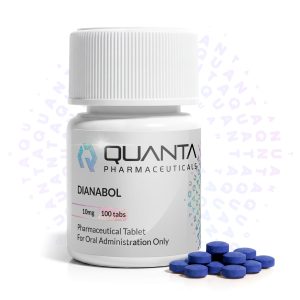
Dianabol and anadrol aromatise heavily and produce rapid scale movement, much of it water. Nandrolone adds mass with the progestogenic complications. Boldenone adds appetite, which only helps in a surplus.
The “cutting” compounds
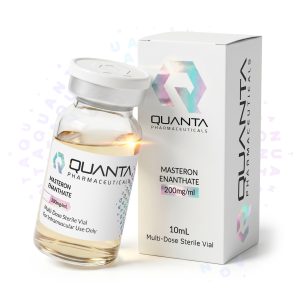
Masteron, winstrol, anavar and primobolan do not aromatise, so no water. They flatter a lean physique and do very little visible on a soft one.
None of them burn fat. That is the misconception worth naming. They do not create a deficit, they change how the result of one looks.
The compounds that actually affect fat
Only a few work on energy balance directly. The GLP-1s reduce intake substantially. See GLP-1 side effects explained. Clenbuterol raises expenditure modestly. T3 raises it more and costs muscle doing it.
The one that matters
Testosterone belongs in both categories, which tells you the division is softer than it looks. It is the base in a surplus and the base in a deficit, because muscle retention while dieting is what a base is for.
Practical framing
In a surplus, water and appetite are acceptable or useful. In a deficit, they are not. Pick on that basis rather than on which list a compound appears in.
Supplied for research purposes only.
Products covered in this guide
 Quanta Pharma
Related guides
Ready to get started?
Browse our range of pharmaceutical-grade peptides, all third-party tested and verified.
Shop All Products →

💬 Discussion