
Recovery Peptides Compared
The repair peptides work through different mechanisms, which is why they get combined rather than substituted.
BPC-157: the gut and tendon one
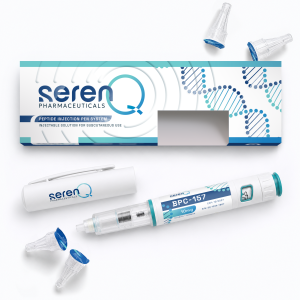
BPC-157 has the strongest evidence in gastrointestinal tissue, with tendon and ligament interest driven largely by animal work. Angiogenesis is the proposed mechanism.
TB500: cell migration
TB500 acts on actin regulation, which governs how cells move. Repair requires the repairing cells to arrive, so this is a genuinely different route.
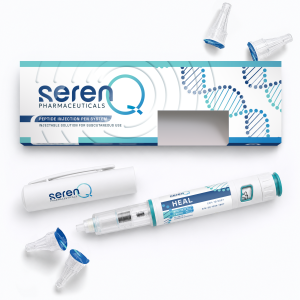
That difference is the entire reason the two are paired. See why they are run together, and the Heal pen for the pre-blended version.
KPV: inflammation rather than repair
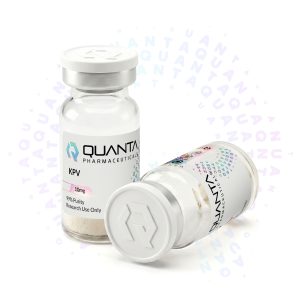
KPV reduces inflammation rather than driving repair. Related job, different target, particularly relevant where gut inflammation is part of the picture.
GHK-Cu: structural tissue
GHK-Cu is associated with collagen synthesis and tissue remodelling. That makes it the one with a cosmetic dimension as well as a repair one.
The GH pathway as indirect support
The secretagogues do not repair anything directly, but growth hormone and IGF-1 are involved in tissue turnover generally. Ipamorelin and CJC-1295 get used alongside repair protocols on that basis.
The shared caveat
Nearly all of this is animal and in-vitro research. The mechanisms are plausible and the reports are consistent, but human trial data is scarce across the whole category.
Anyone stating these are proven to heal human tendons is going beyond the evidence.
Choosing
Tendon or ligament: BPC-157 and TB500 together. Gut: BPC-157, or KPV where inflammation dominates. Skin and cosmetic: GHK-Cu. Blends exist because these combinations are so standard. See blend pens explained.
Supplied for research purposes only.
Products covered in this guide
 SerenQ
Related guides
Ready to get started?
Browse our range of pharmaceutical-grade peptides, all third-party tested and verified.
Shop All Products →

💬 Discussion