
Longevity Compounds Ranked by Evidence
The longevity compounds attack cellular ageing from four different directions, and they vary enormously in how much evidence sits behind them.
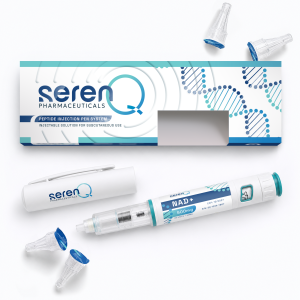
NAD+ : replacing a depleted cofactor
NAD+ is central to energy metabolism and declines with age. Supplying it directly is the most straightforward approach in the category, and the underlying biology is well established even where the supplementation question is not.
5-Amino-1MQ: reducing what consumes it
5-Amino-1MQ inhibits NNMT, the enzyme that consumes NAD+ precursors in fat tissue. Same target, opposite direction, and orally active, which is unusual here.
Early evidence: animal and cell work, essentially no human data.
SS-31: protecting the machinery
SS-31 stabilises cardiolipin in the inner mitochondrial membrane, interrupting the oxidative damage cycle.
This one has actual clinical trials behind it, with mixed results, a more developed evidence base than most of the category.
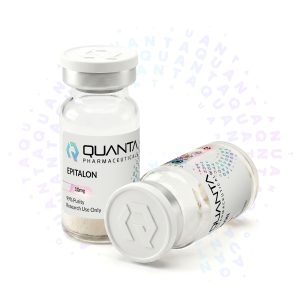
Epitalon: the telomere claim
Epitalon rests on reported telomerase activation. It is the boldest claim here and the thinnest evidence, largely older Russian research that has not been widely replicated.
MOTS-c: the mitochondrial signal
MOTS-c is encoded in mitochondrial rather than nuclear DNA and acts as a metabolic signalling peptide. It sits between the energy and longevity categories.
Metformin, honestly
Metformin has more human data than any peptide here, including a trial specifically designed around ageing endpoints. It also blunts some training adaptations, which is a real trade if muscle is a goal.
How to think about the category
Ranked by evidence: metformin, then SS-31, then NAD+, then MOTS-c, then 5-Amino-1MQ, then epitalon. Ranked by claims made, that order roughly reverses, which is worth noticing.
Supplied for research purposes only.
Products covered in this guide
 SerenQ
 Quanta Pharma
Related guides
Ready to get started?
Browse our range of pharmaceutical-grade peptides, all third-party tested and verified.
Shop All Products →

💬 Discussion